Compare excavator augers by ground conditions, hole diameter and depth, carrier, hydraulics and mounting. Check the drive, auger bit and scope of supply.
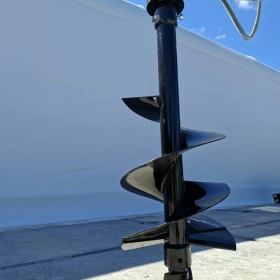
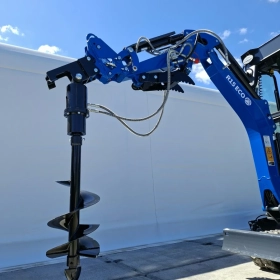
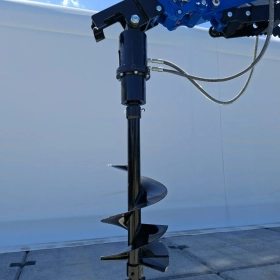
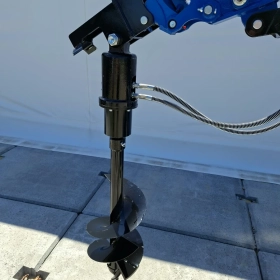
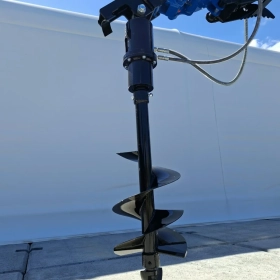
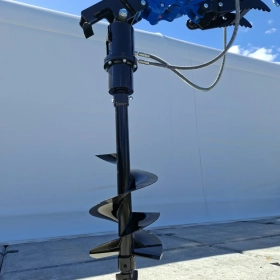
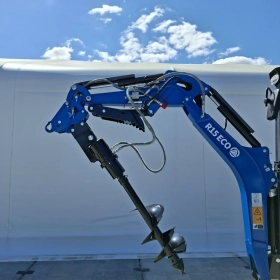
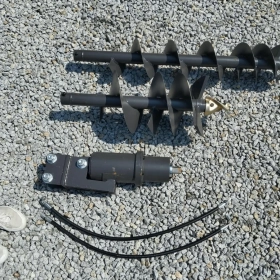
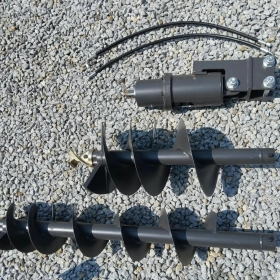
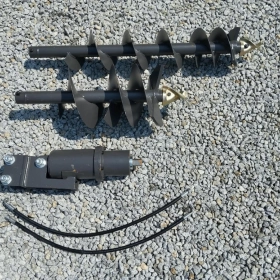
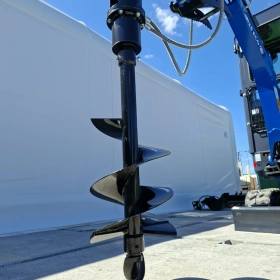
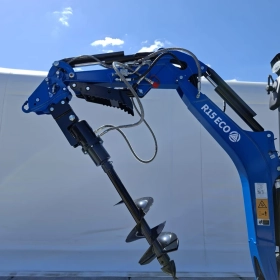
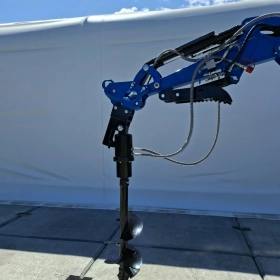
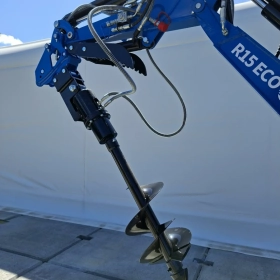
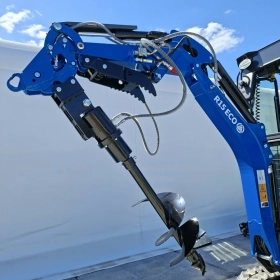
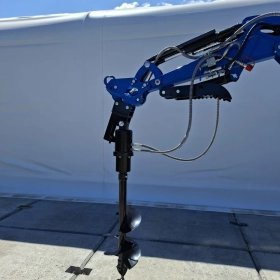
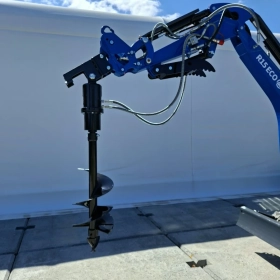
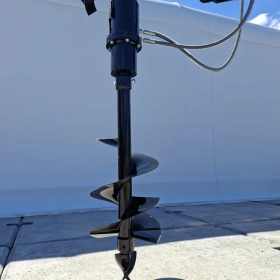
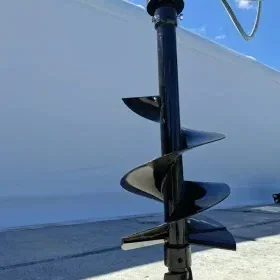
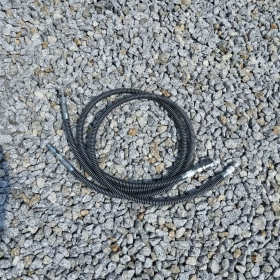
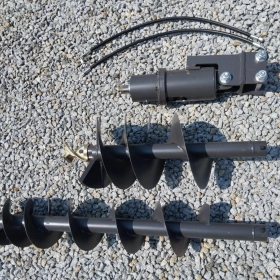
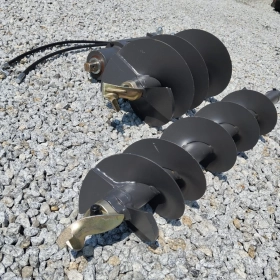
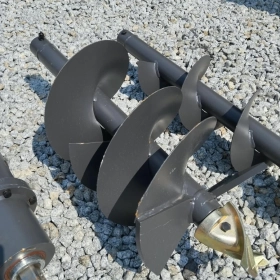
WIERTNICA HYDRAULICZNA Ø30 FI30 DO KOPARKI MINIKOPARKI || dopasujemy mocowanie do Twojej maszyny! || zęby widiowe ŚWIDER ZIEMNY DO GRUNTU WIERTŁO
Added: 30.09.2026, 11:04
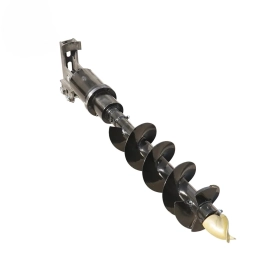
Świder hydrauliczny wiertnica FI200MM do minikoparki! Budowa ziemia Gunter Grossmann Meyer Kraft Rippa
Added: 30.09.2026, 09:21
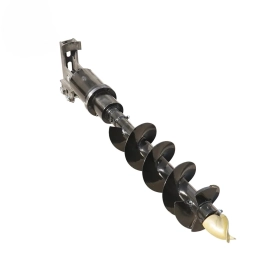
Wiertnica świder hydrauliczny do minikoparki FI 300MM NOWY!! Rippa Meyer Kraft Gunter Grossmann ZTE
Added: 30.09.2026, 09:21
None of the offers in “Excavator augers” fit?
Review the available offers and, if none fits, describe your requirements. Verified companies may respond after confirmation and moderation.
2 short steps. Clicking the button does not publish anything.
How to compare excavator augers
This category covers hydraulic auger drives mounted on excavators and mini excavators, offered either separately or with an auger bit. Depending on the model, carrier and ground conditions, they can drill holes for posts, fencing, planting and light foundations. They are not self-propelled piling rigs or handheld power drills.
Specifications to compare
- Task and ground: define the required hole diameter range and depth and identify the ground conditions. Cohesive, rocky or hard ground may require a different pilot, teeth and torque from loose soil.
- Carrier and lifting capacity: check the recommended excavator class, the weight of the drive with its mounting frame, bit and any extension, and the carrier's capacity at the intended reach. Excavator weight alone does not confirm compatibility.
- Hydraulics: match the required flow and pressure to the carrier circuit. Confirm bidirectional operation, hoses and couplings and, where required by the exact model, an additional drain line.
- Drive and connection: compare torque and rotational speed with the task, and verify the drive type, output-shaft size and shape and the bit-retention method. Use the data for the exact model rather than a product-family estimate.
- Mounting and scope of supply: verify the mounting frame or plate, pin dimensions or quick-coupler interface. Confirm whether the price includes the adapter, hoses, auger bit, teeth, pilot, extensions and documentation.
What to inspect on a used hydraulic auger
Ask for a photograph of the identification plate, model and serial number, hydraulic requirements and service history. Inspect the drive and gearbox housing, seals, hoses, couplings, mounting frame and output shaft for leakage, play, cracks, distortion or repairs. If a bit is included, check the auger shaft for straightness and inspect the flights, holders, teeth, pilot, pins and retainers. Any functional test should follow the exact model manual and the carrier's safety requirements.
Buyer FAQ
Is an auger drive always sold with an auger bit?
No. A listing may cover the drive only, the drive with one bit or a larger package. Check the bit diameter and length, drive connection, mounting frame, hoses, extensions and wear parts included in the price.
Can an auger be selected by excavator weight alone?
No. Carrier class and capacity, mounting interface, hydraulic supply, total package weight, output shaft and the ground, diameter and depth requirements all need to match.
Is a larger auger diameter always better?
No. Diameter follows the required hole, while drilling capability also depends on ground conditions, drive torque, tooth type, depth, carrier configuration and the manufacturer's limits.

 Log in with Facebook
 Log in with Google


