Compare fixed telehandlers by capacity at the required height and reach, attachment, stabiliser setup, dimensions, equipment and condition.
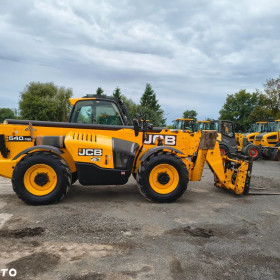

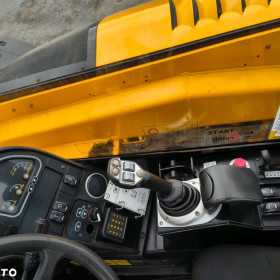


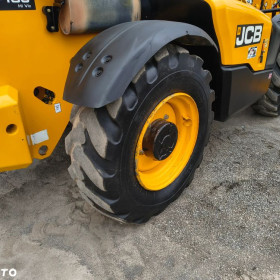
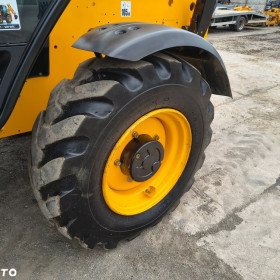


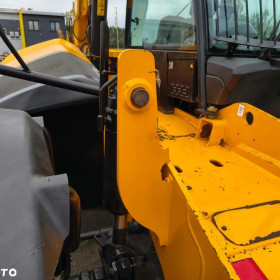
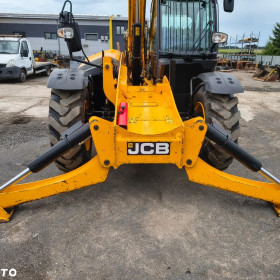
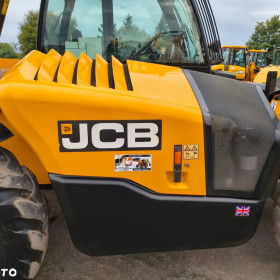


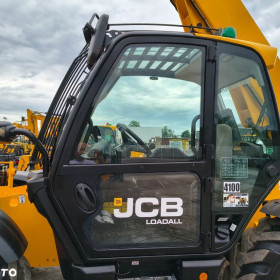
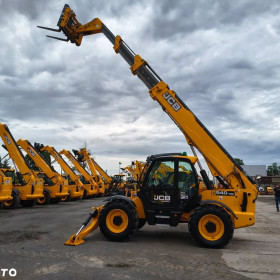
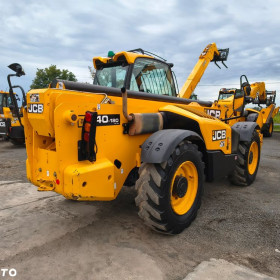
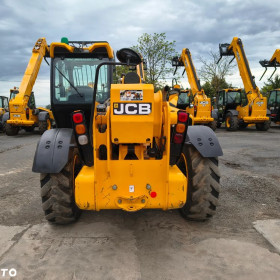
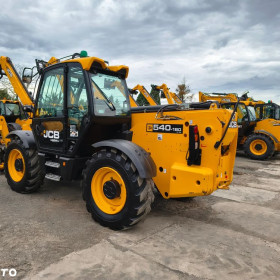
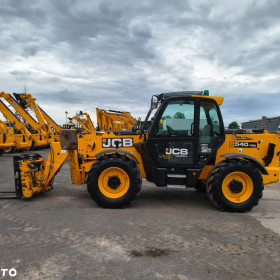
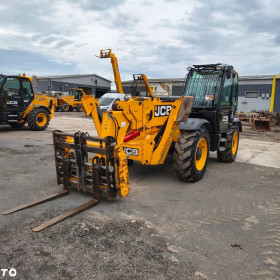
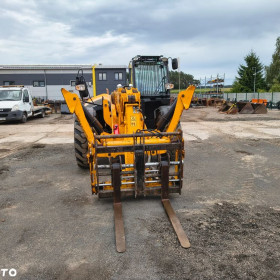

JCB 540-180 2019R JOYSTICK KLIMATYZACJA
Added: 16.09.2026, 14:18
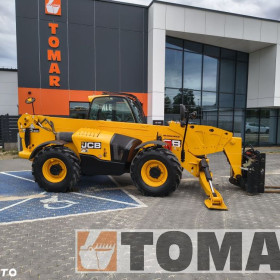
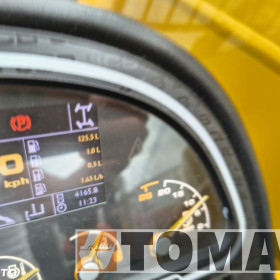
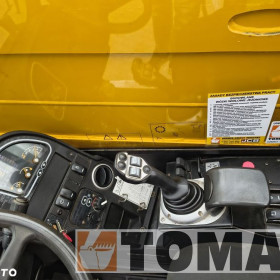
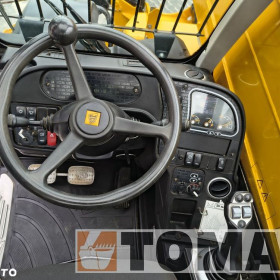
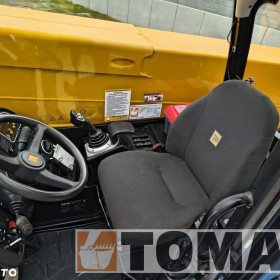
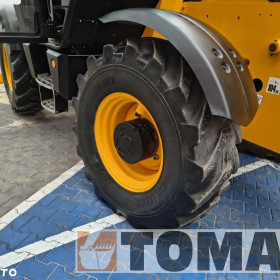
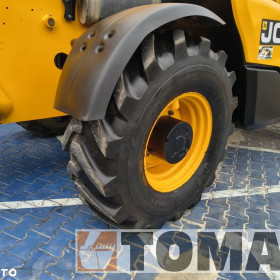
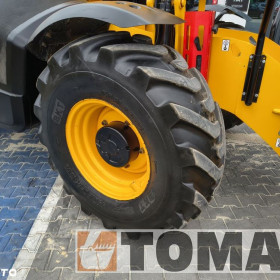
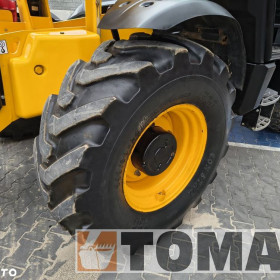
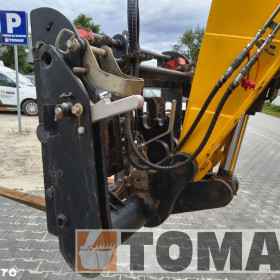
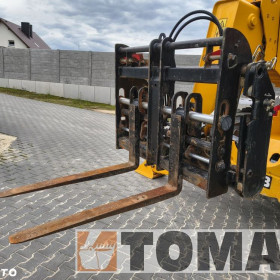
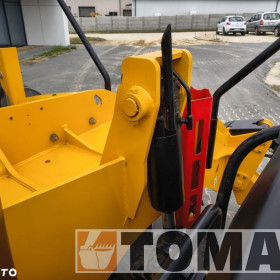
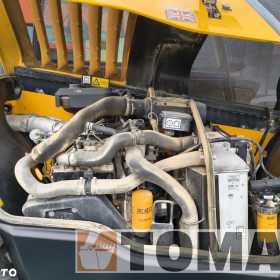
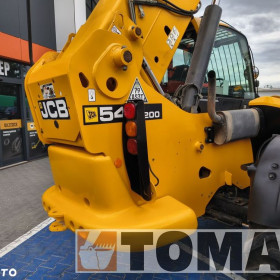
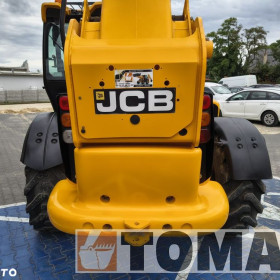
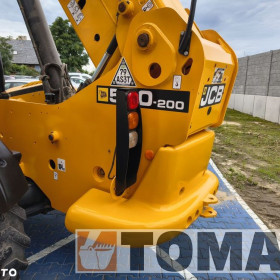
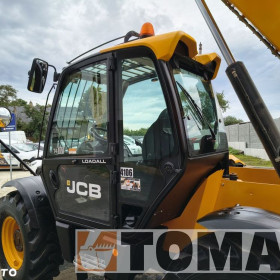
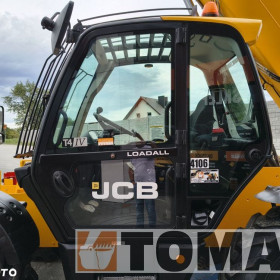
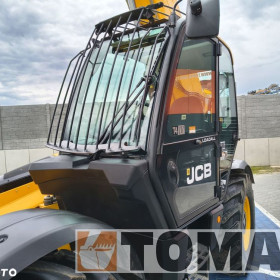
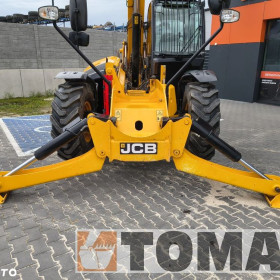
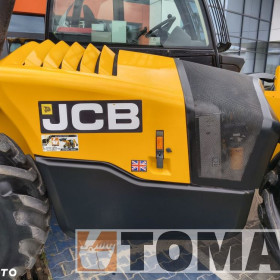
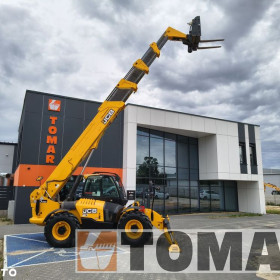
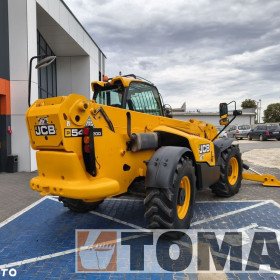
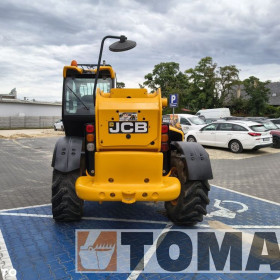
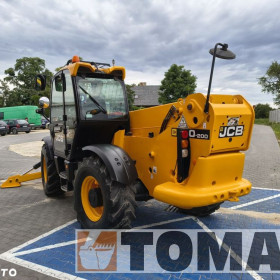
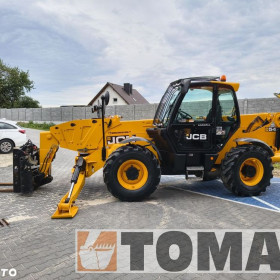
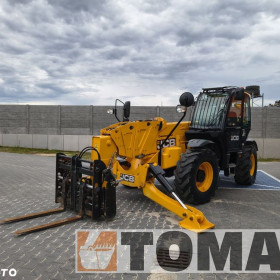
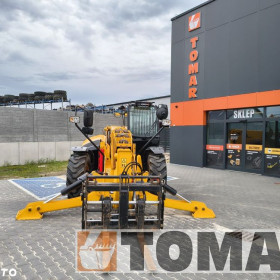
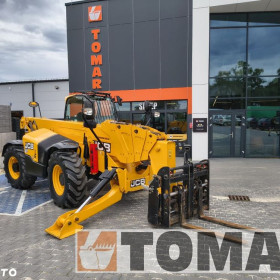
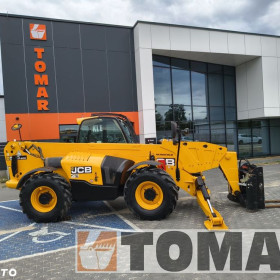
JCB 540-200 2018r joystick
Added: 16.09.2026, 14:18
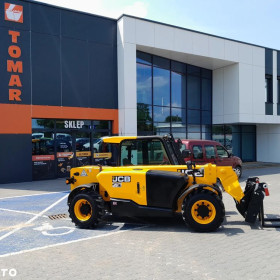
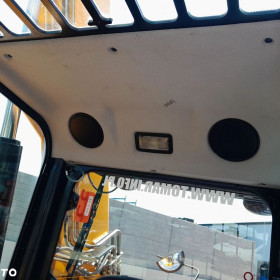
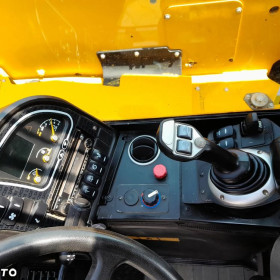
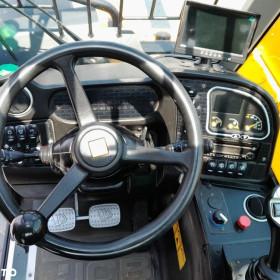
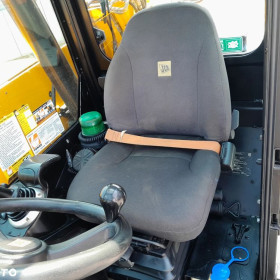
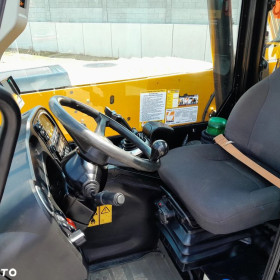
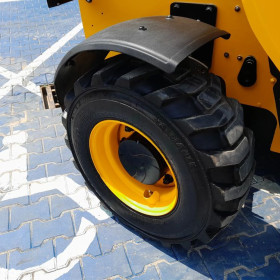
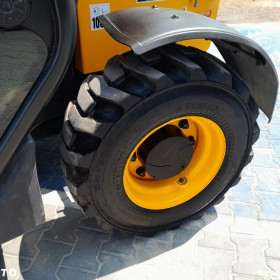
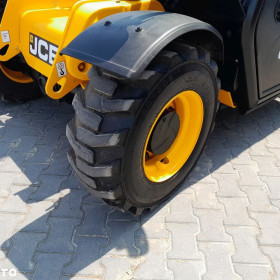
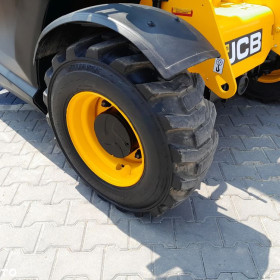
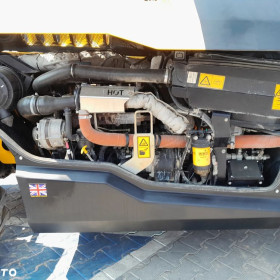
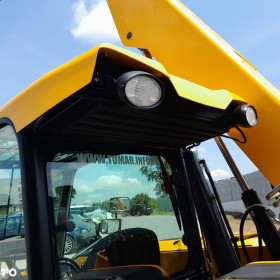
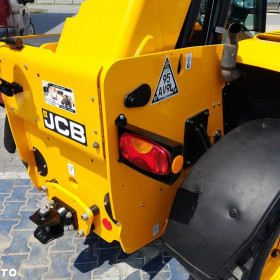
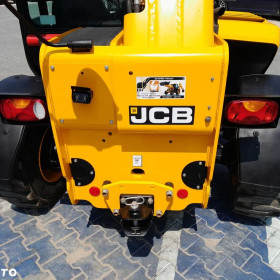
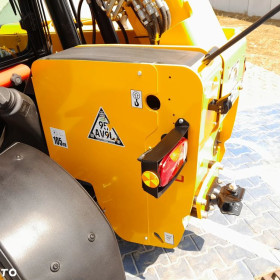
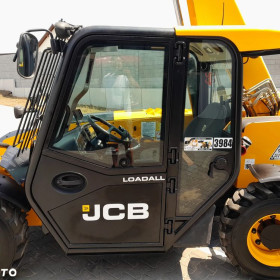
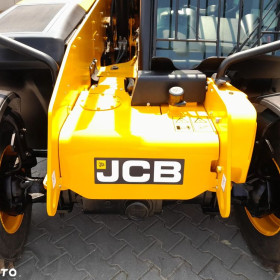
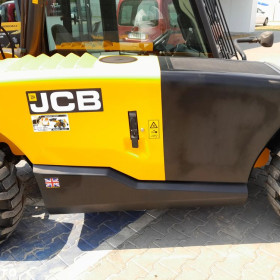
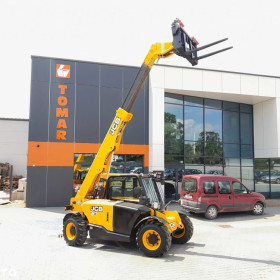
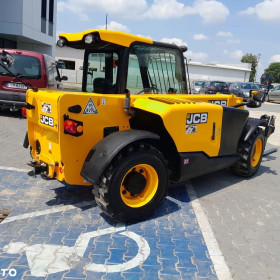
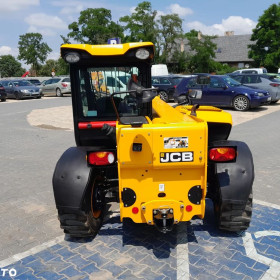
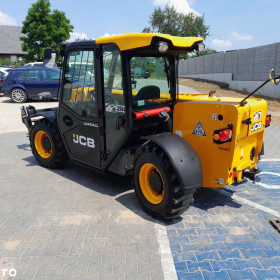
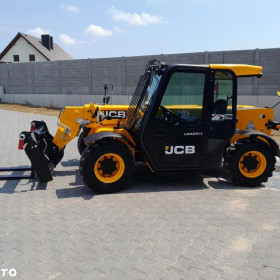
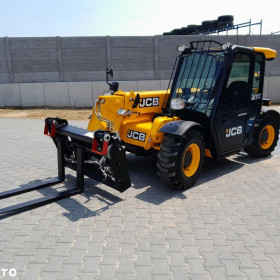
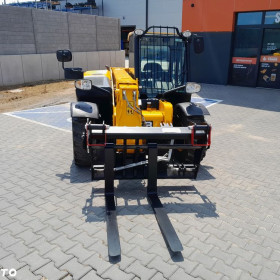
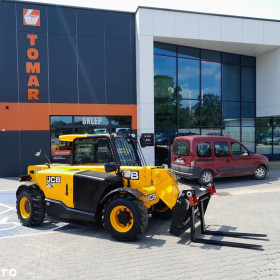
JCB 525-60 JOYSTICK
Added: 16.09.2026, 14:18
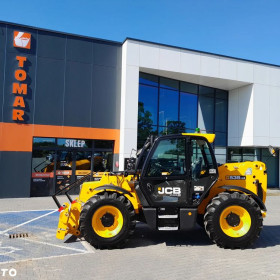
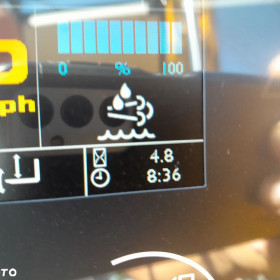
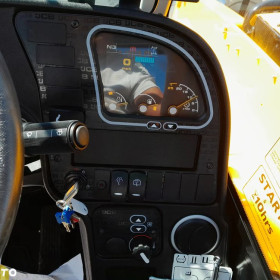
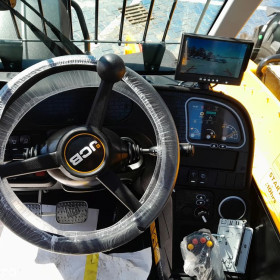
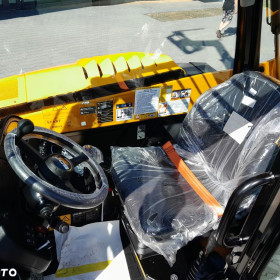
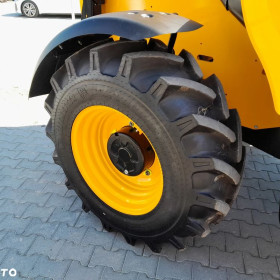
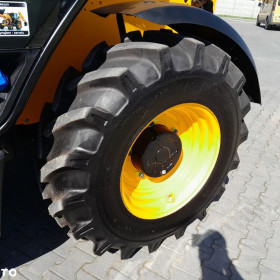
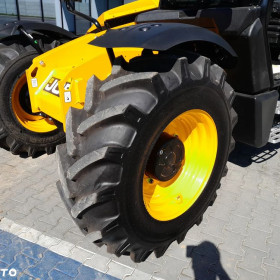
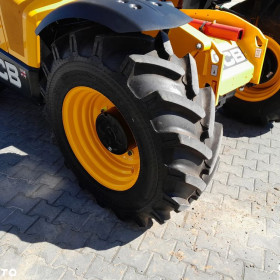
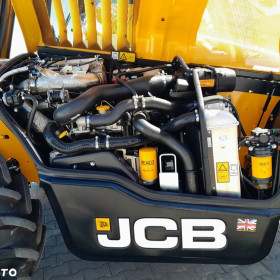
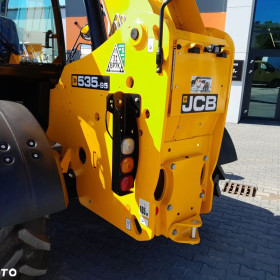
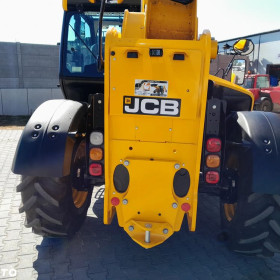
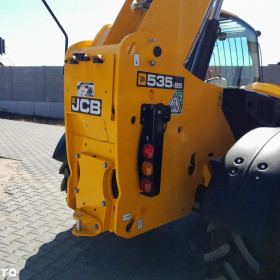
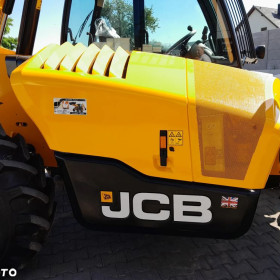
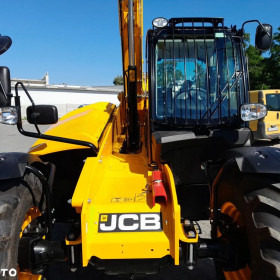
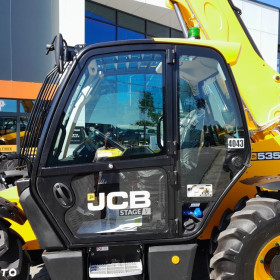
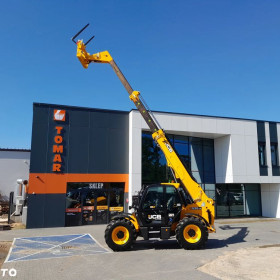
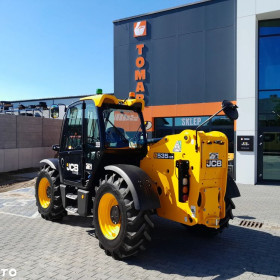
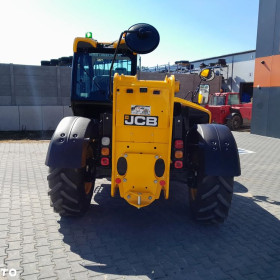
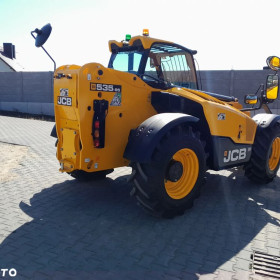
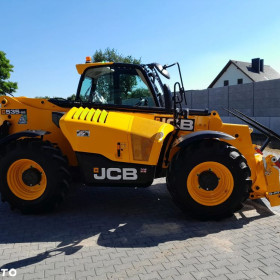
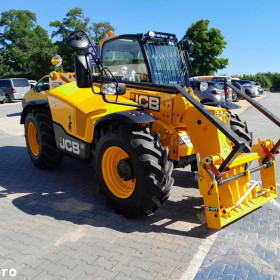
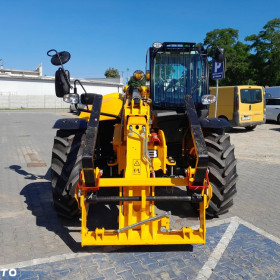
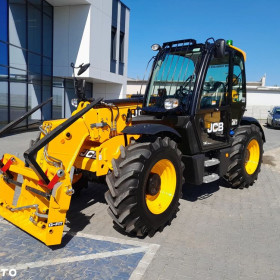
JCB 535-95
Added: 16.09.2026, 14:18
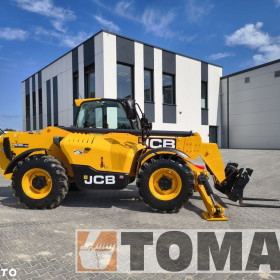
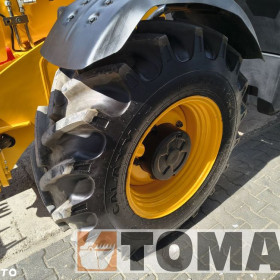
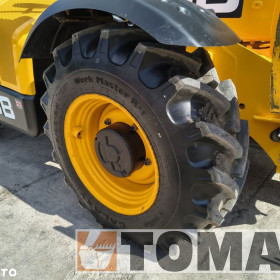
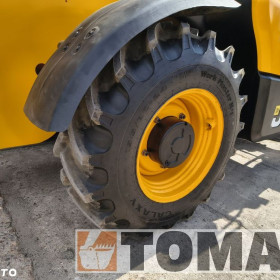
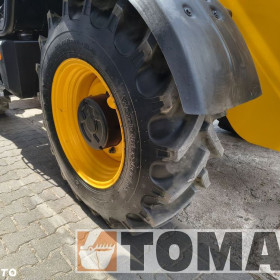
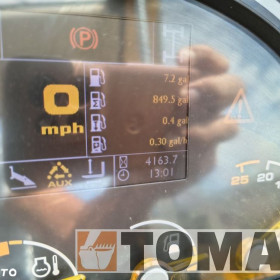
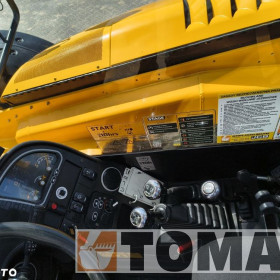
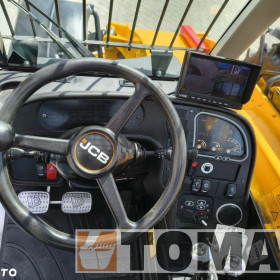
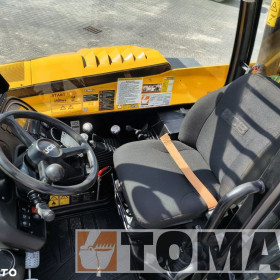
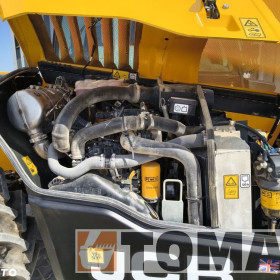
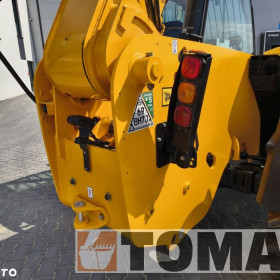
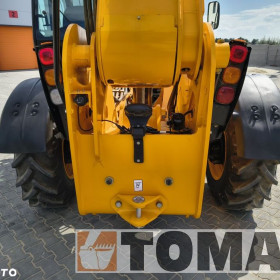
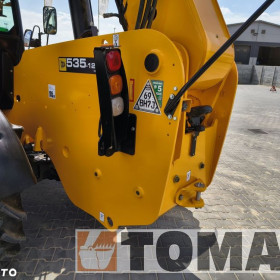
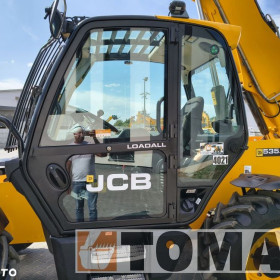
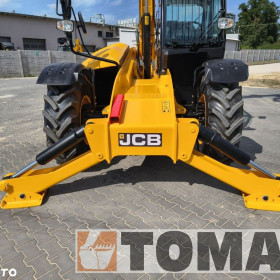
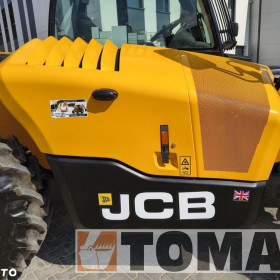
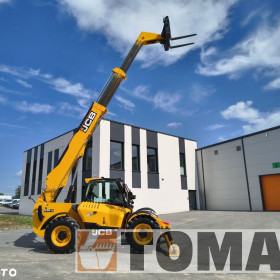
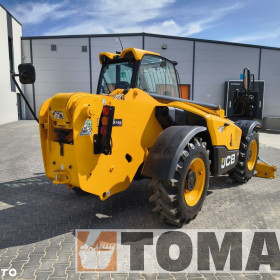
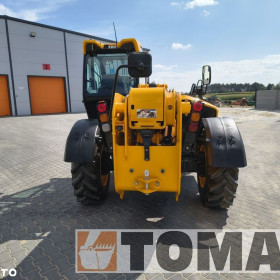
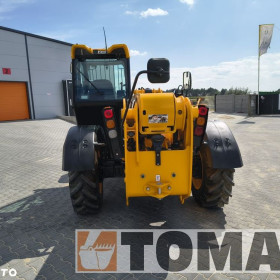
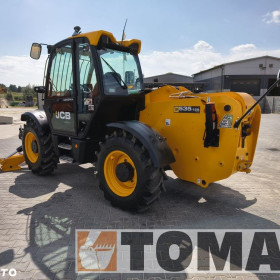
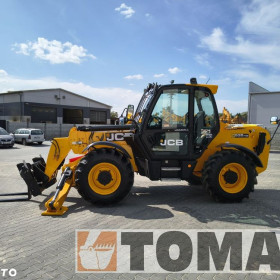
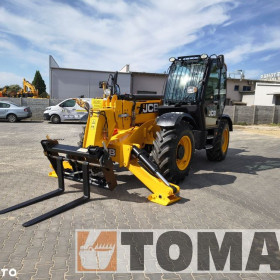
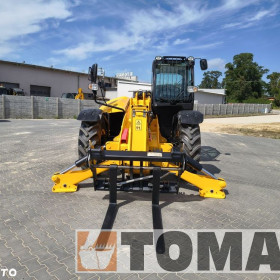
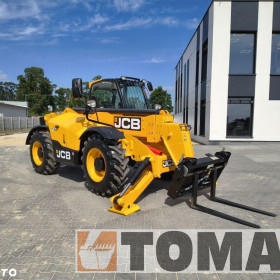
JCB 535-125 HI VIZ
Added: 16.09.2026, 14:18
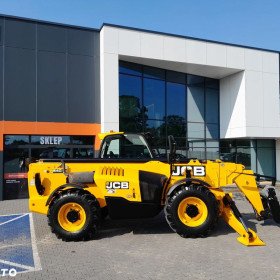
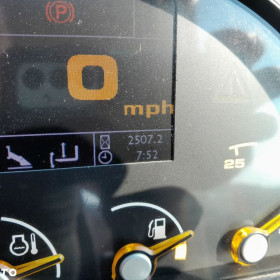
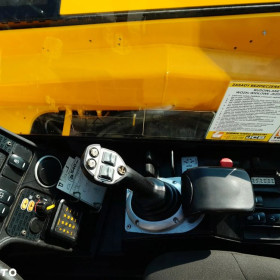
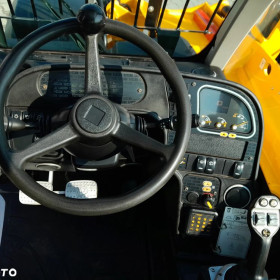
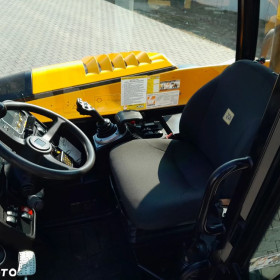
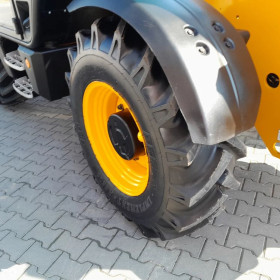
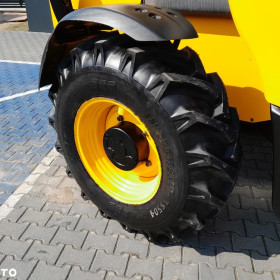
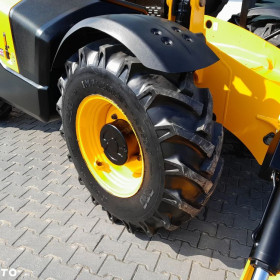
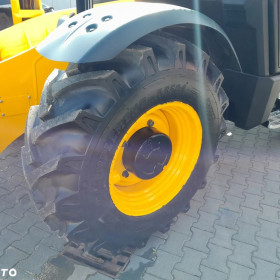
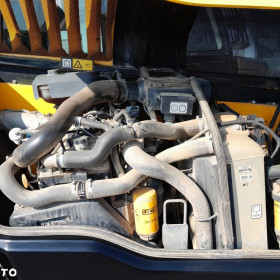
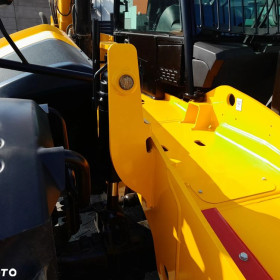
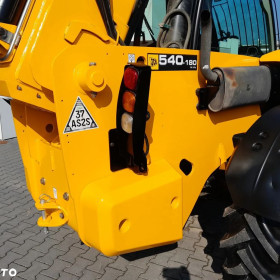
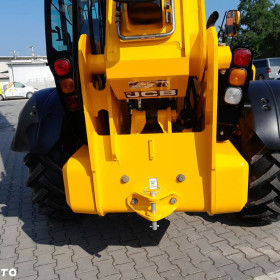
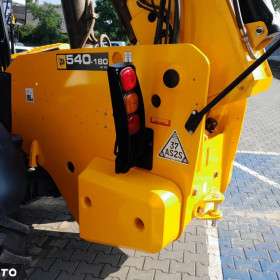
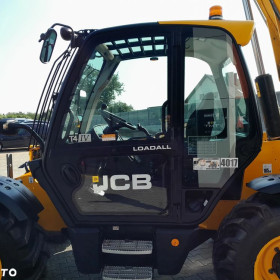
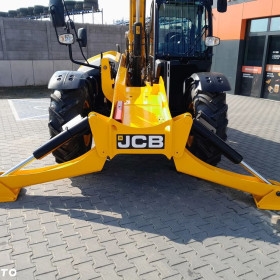
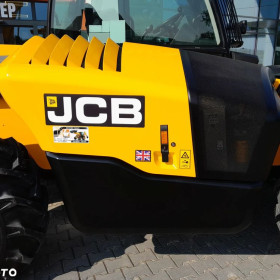
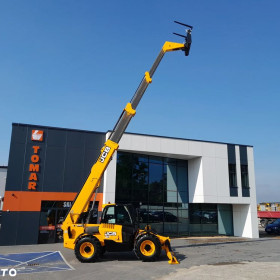
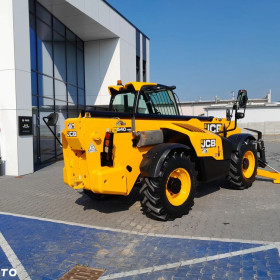
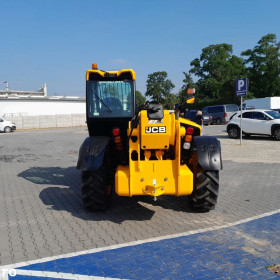
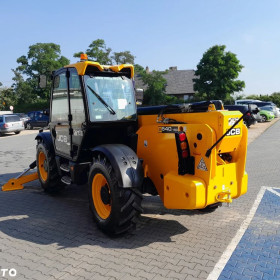
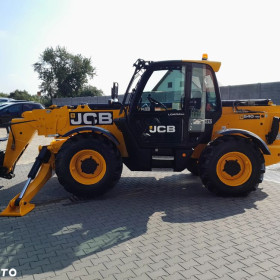
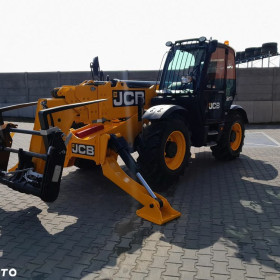
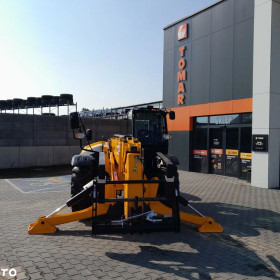
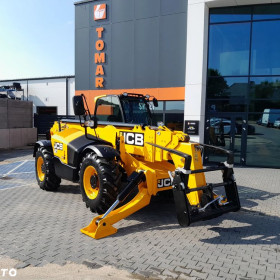
JCB 540-180 2017R JOYSTICK
Added: 16.09.2026, 14:18
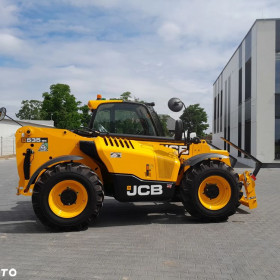
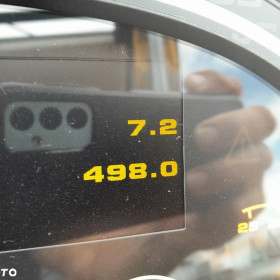
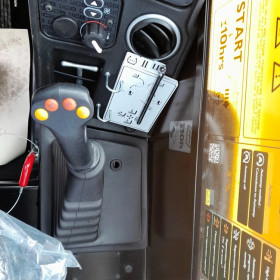
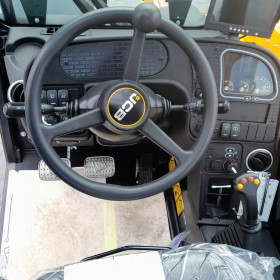
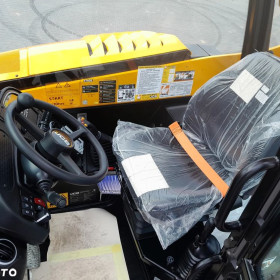
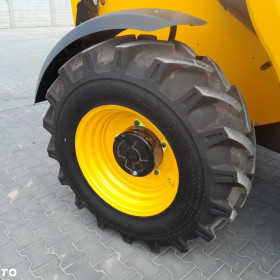
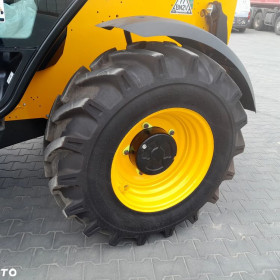
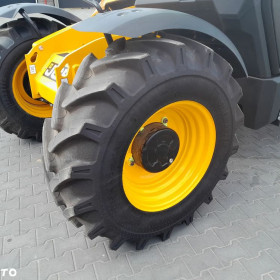
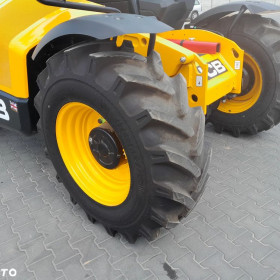
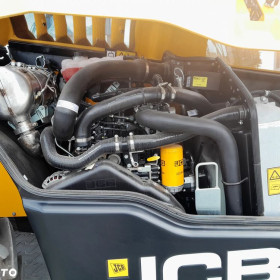
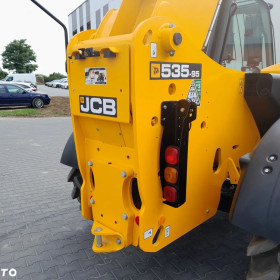
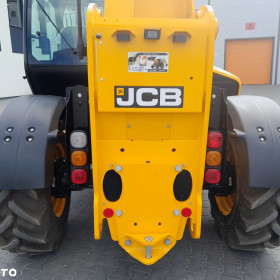
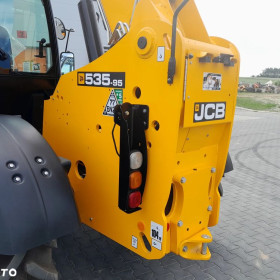
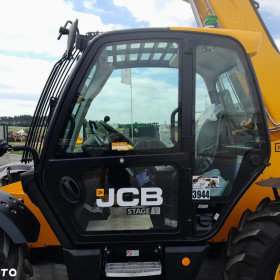
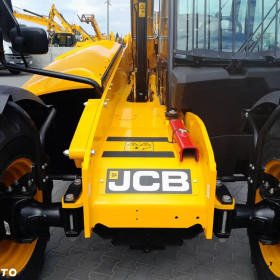
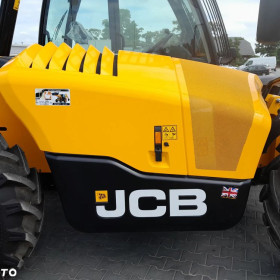
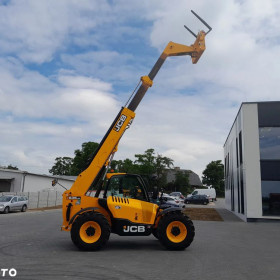
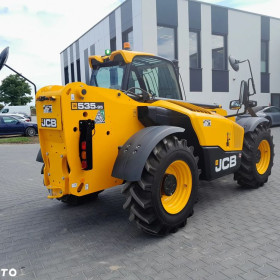
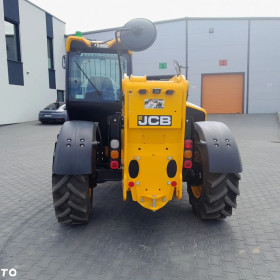
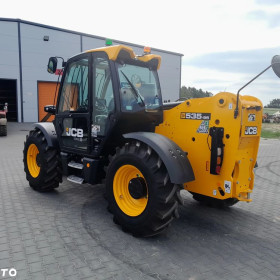
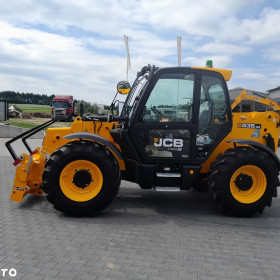
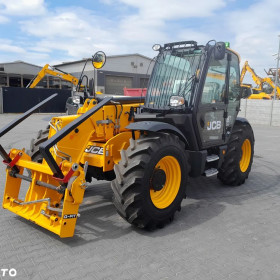
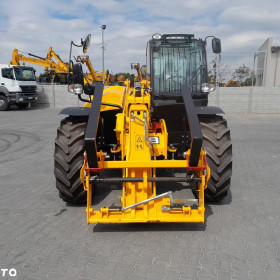
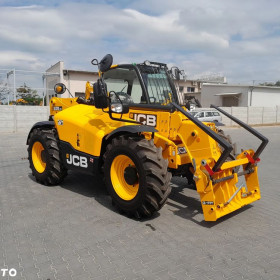
JCB 535-95
Added: 16.09.2026, 13:03
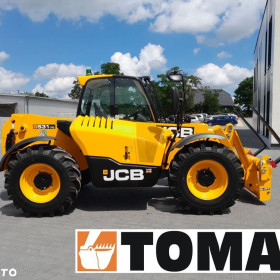
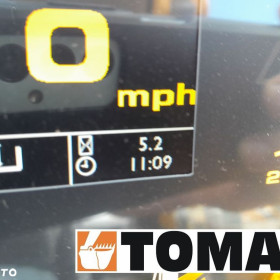
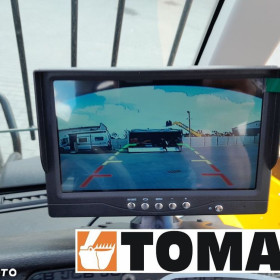
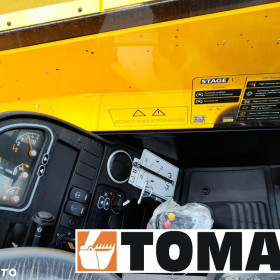
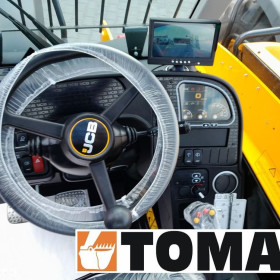
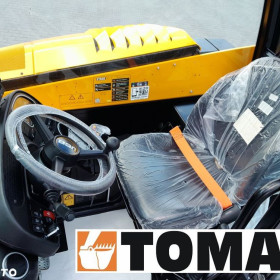
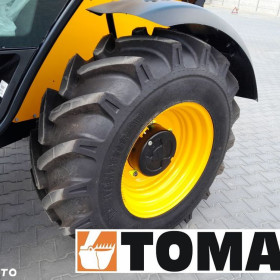
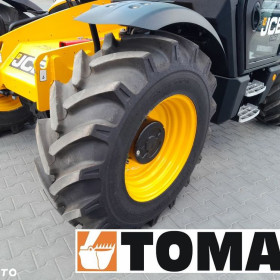
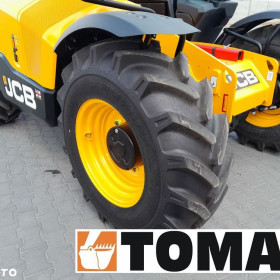
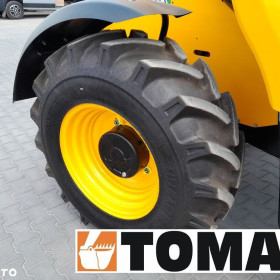
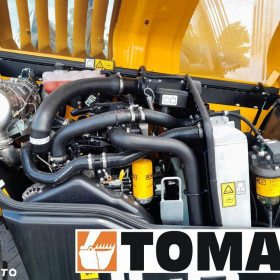
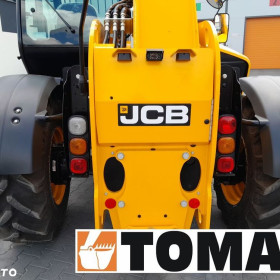
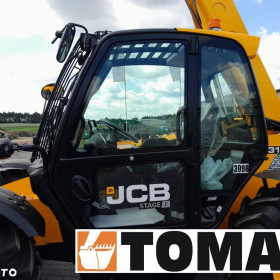
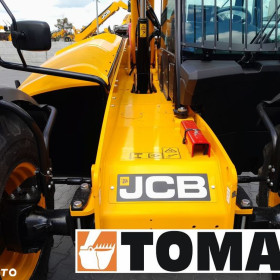
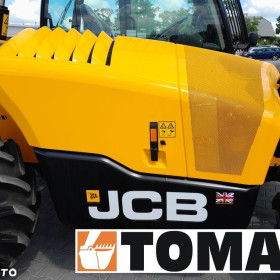
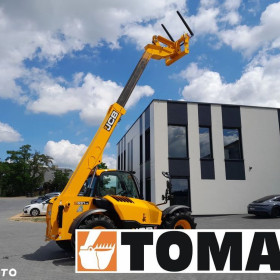
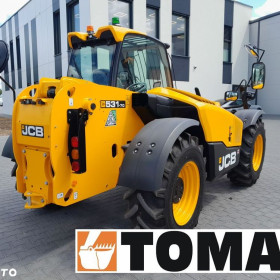
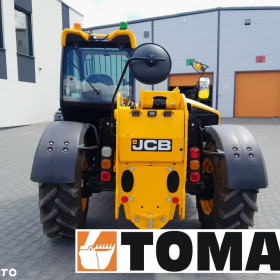
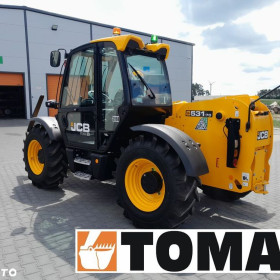
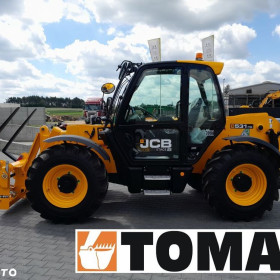
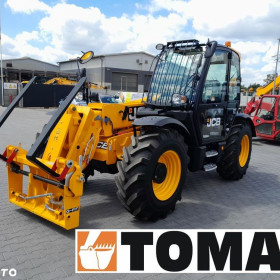
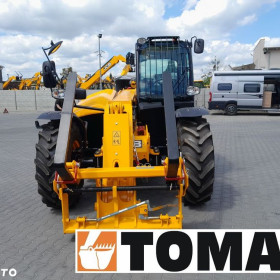
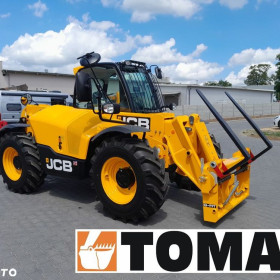
JCB 531-70 JOYSTICK
Added: 16.09.2026, 13:03
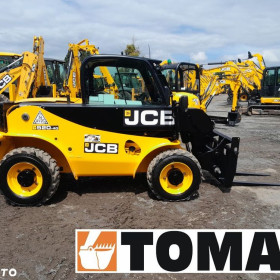
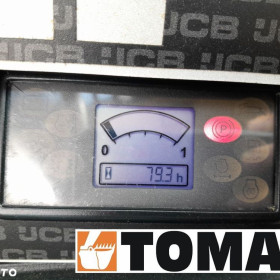
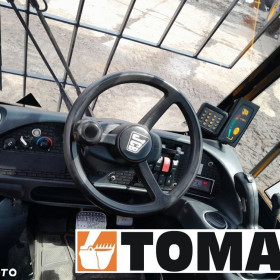
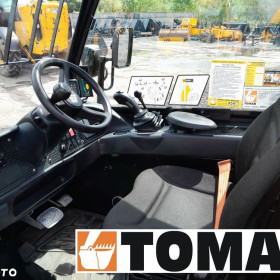
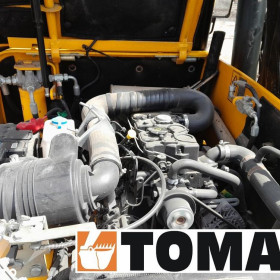
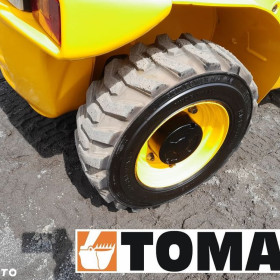
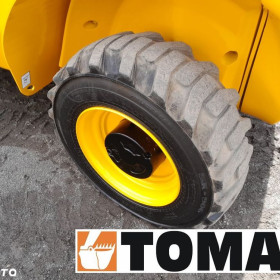
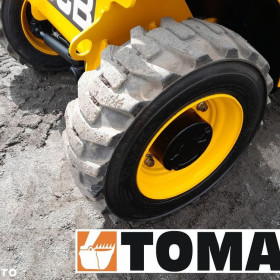
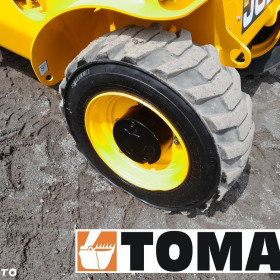
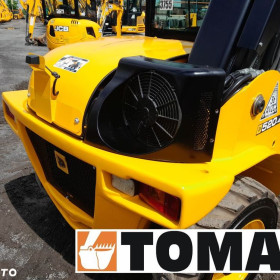
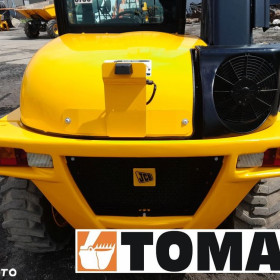
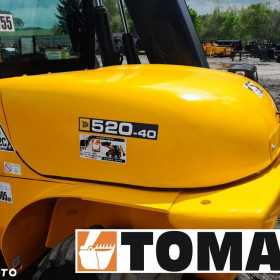
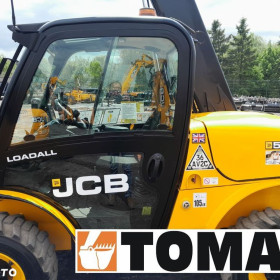
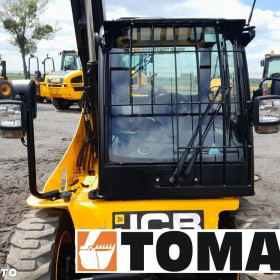
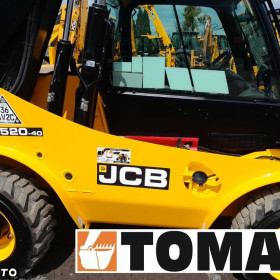
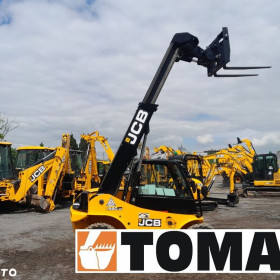
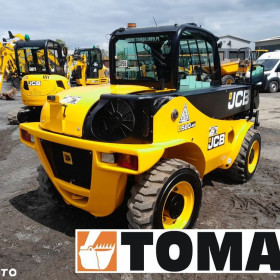
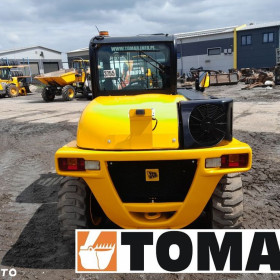
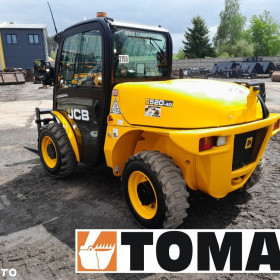
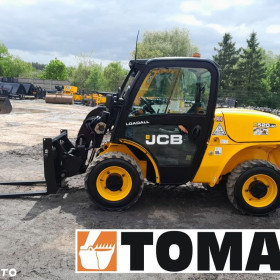
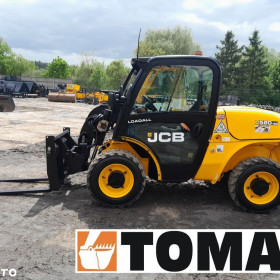
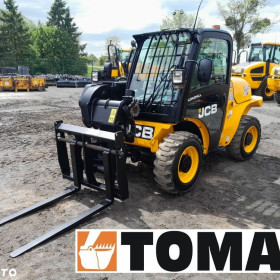
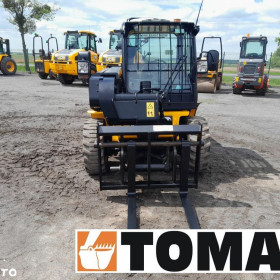
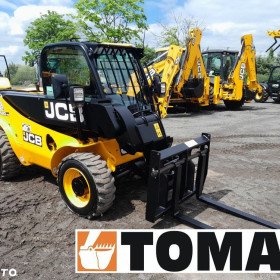
JCB 520-40
Added: 16.09.2026, 13:03
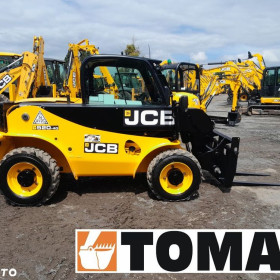
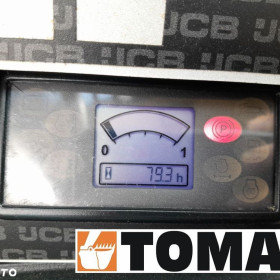
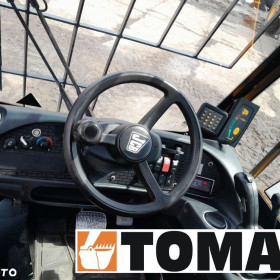
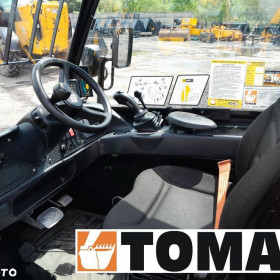
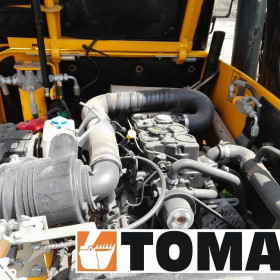
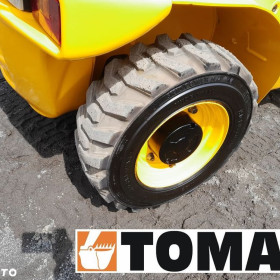
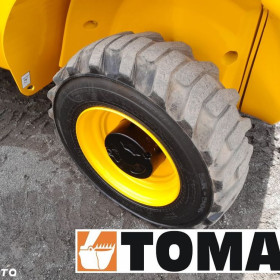
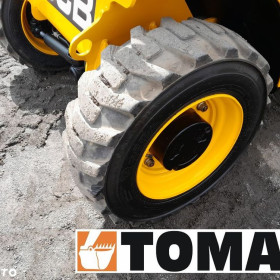
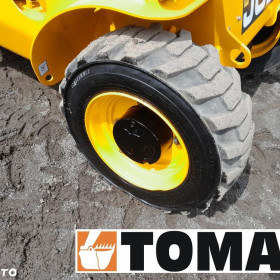
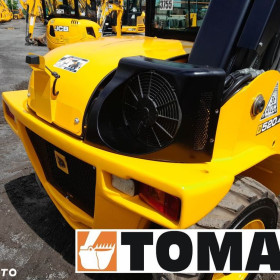
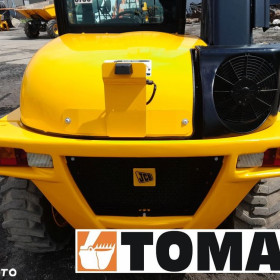
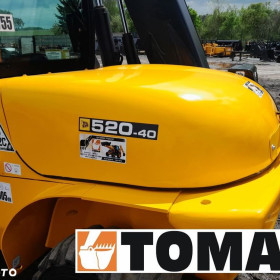
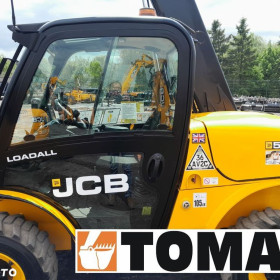
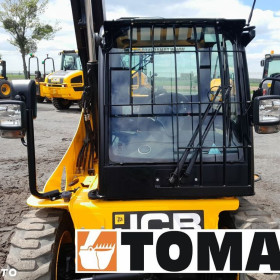
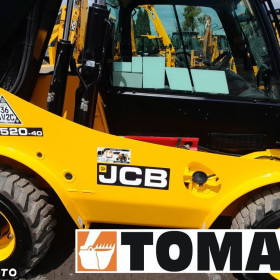
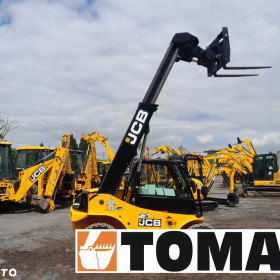
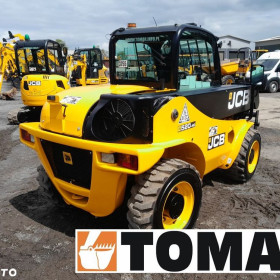
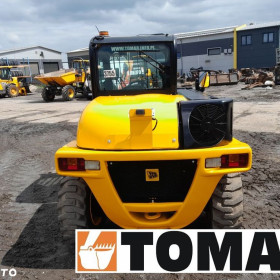
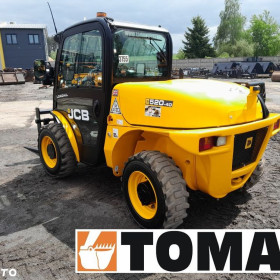
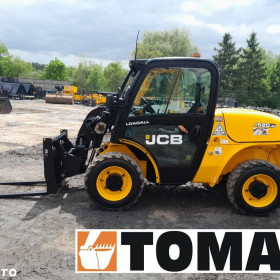
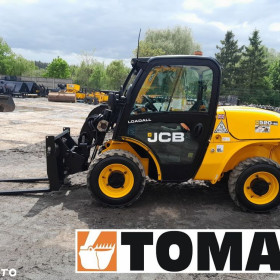
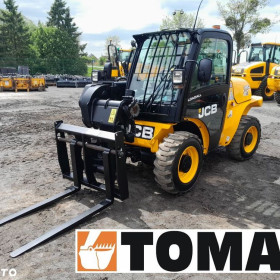
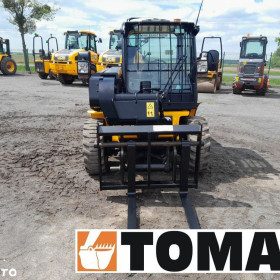
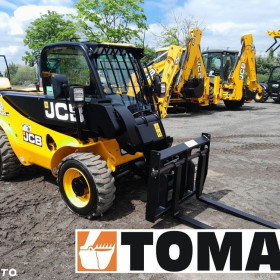
JCB 520-40
Added: 16.09.2026, 13:03
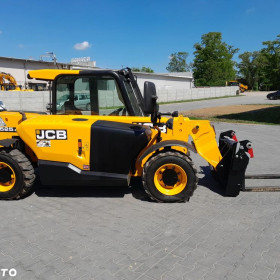
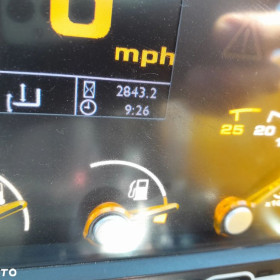
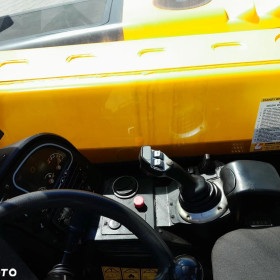
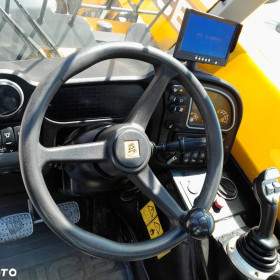
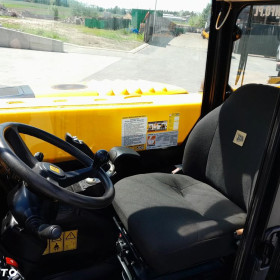
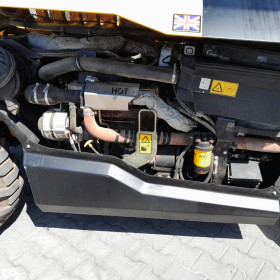
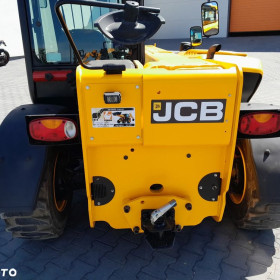
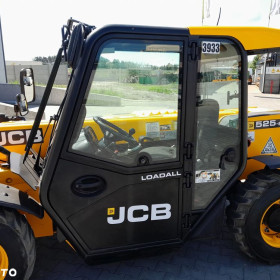
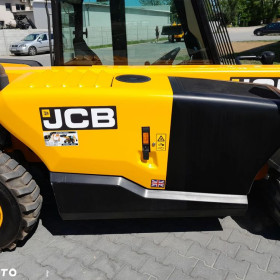
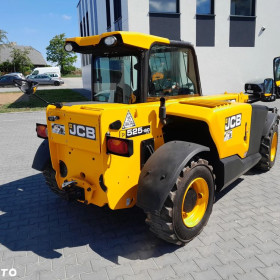
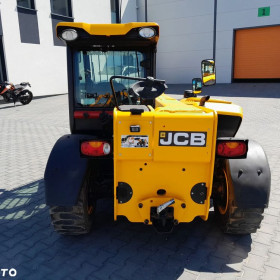
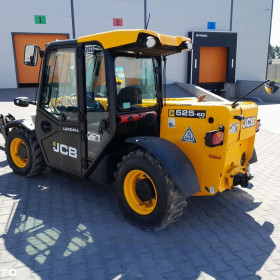
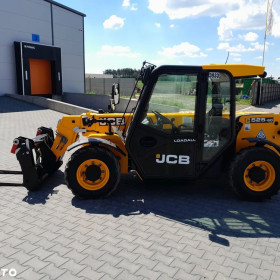
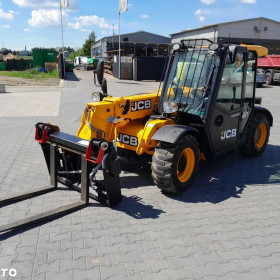
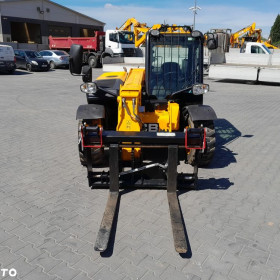
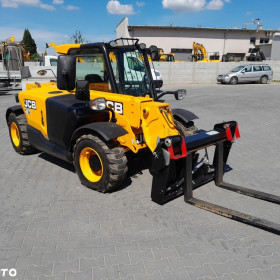
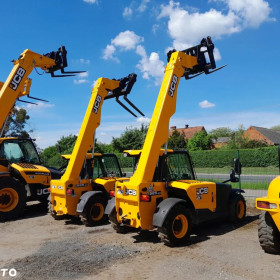
JCB 525-60
Added: 16.09.2026, 13:03
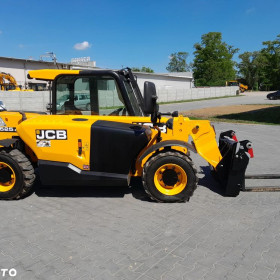
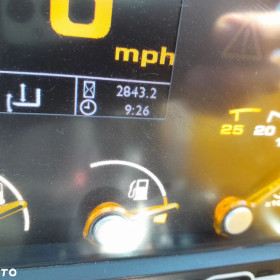
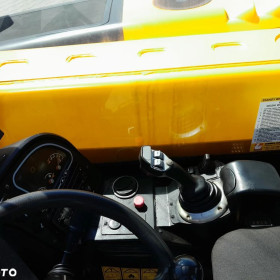
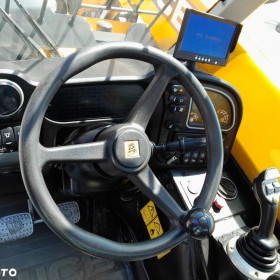
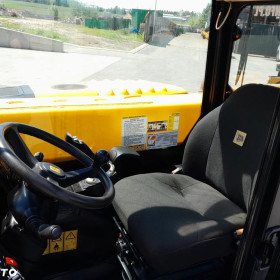
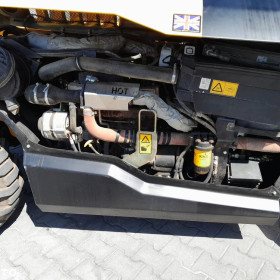
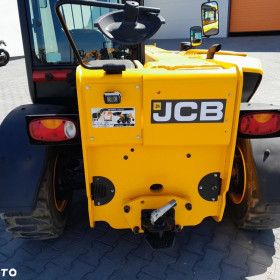
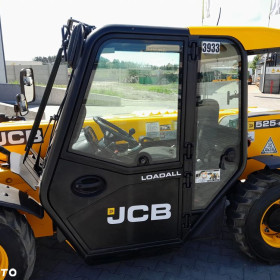
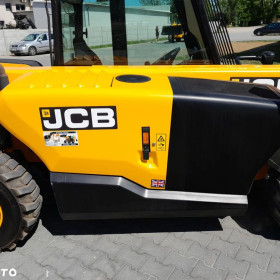
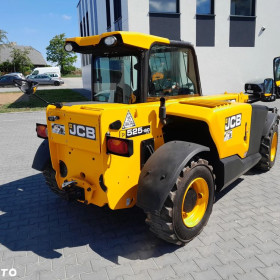
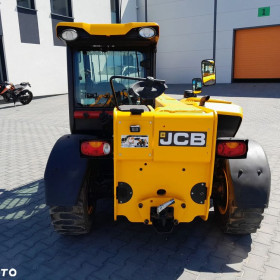
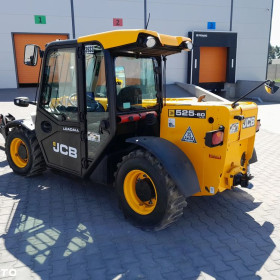
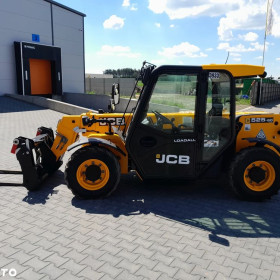
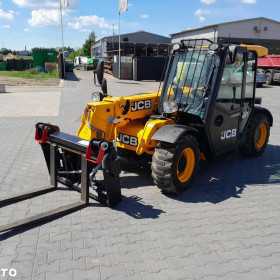
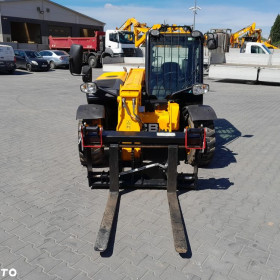
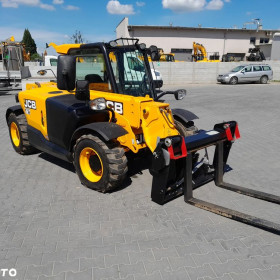
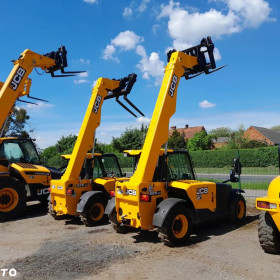
JCB 525-60
Added: 16.09.2026, 13:03
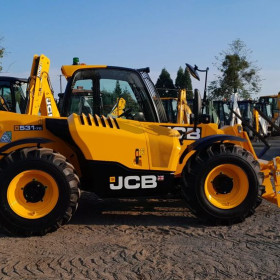
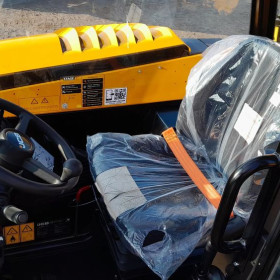
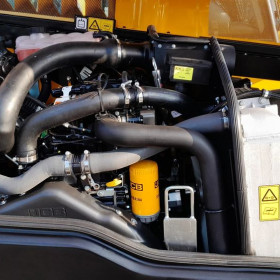
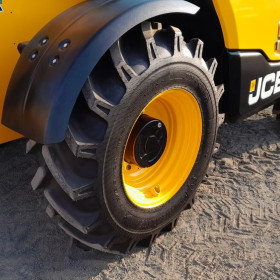
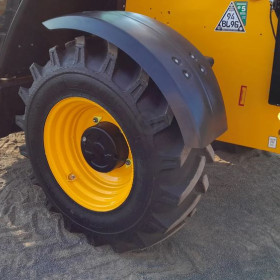
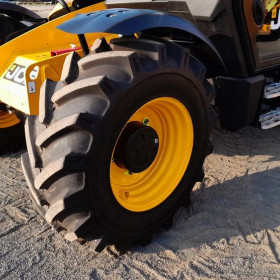
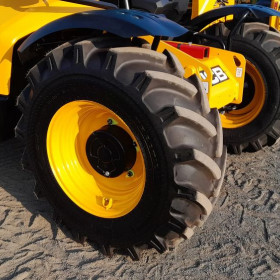
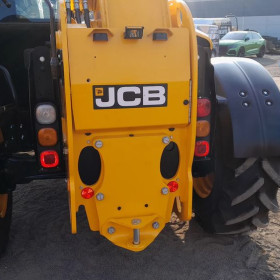
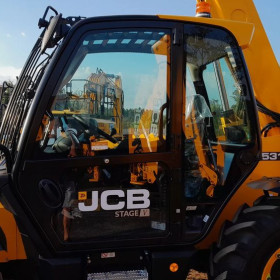
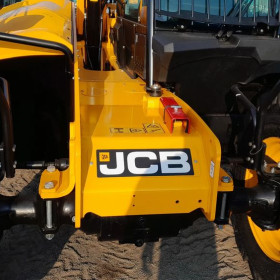
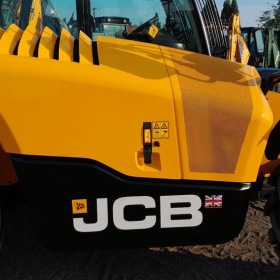
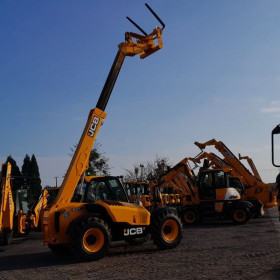
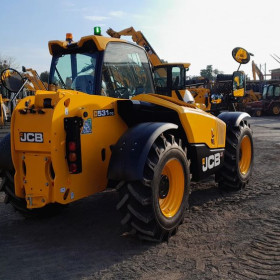
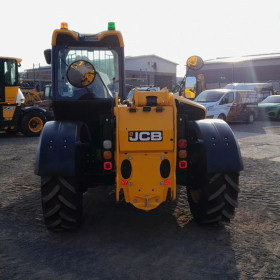
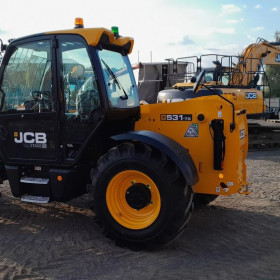
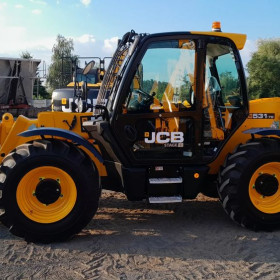
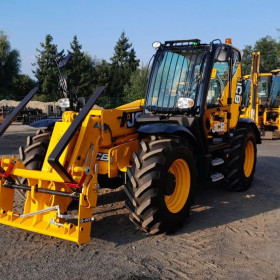
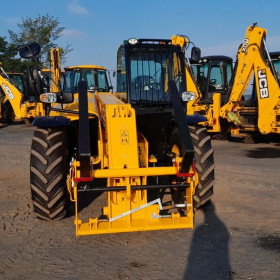
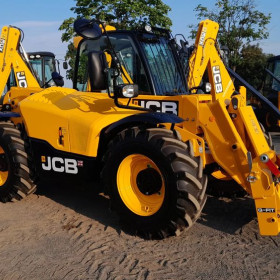
JCB 531-70
Added: 16.09.2026, 13:03
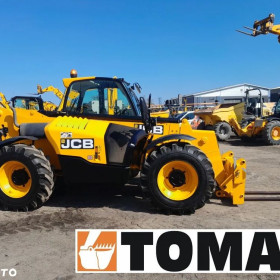
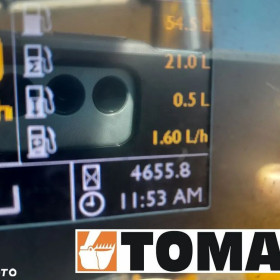
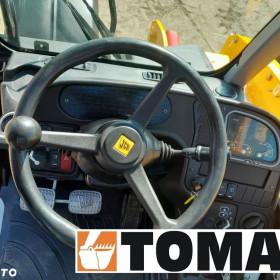
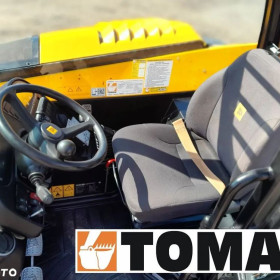
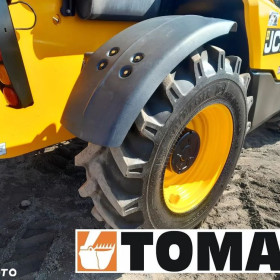
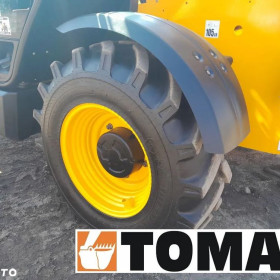
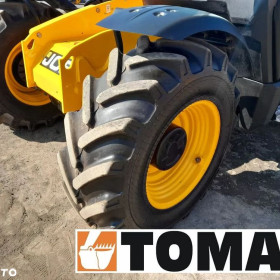
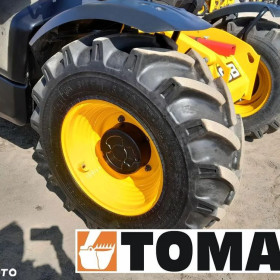
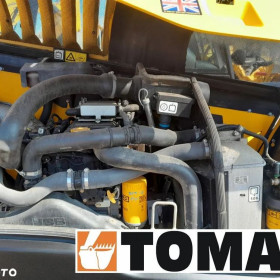
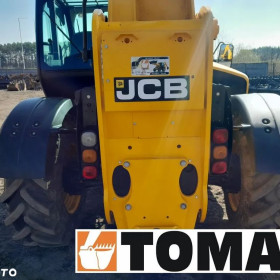
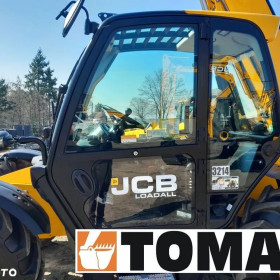
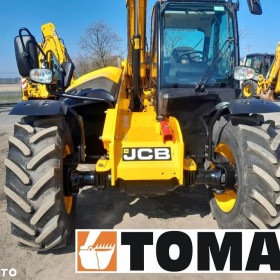
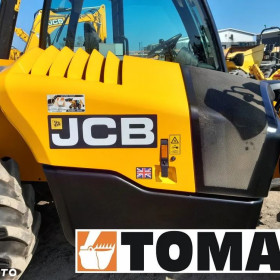
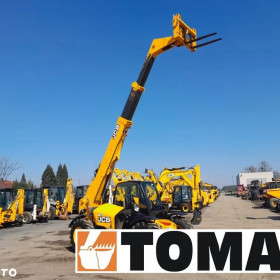
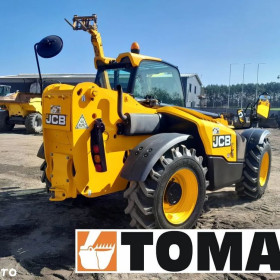
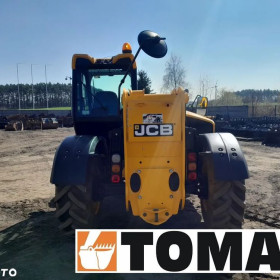
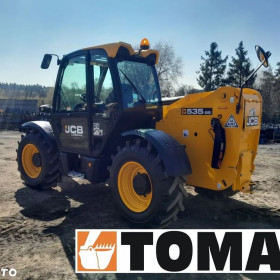
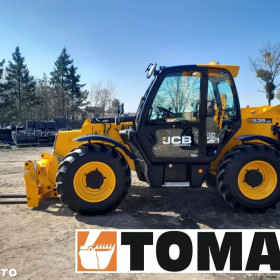
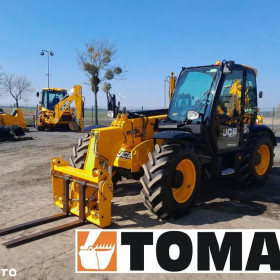
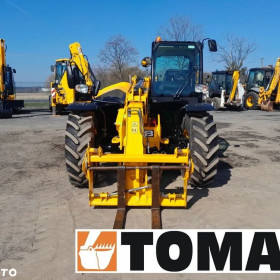
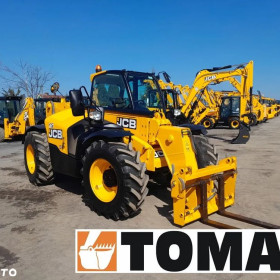
JCB 535-95
Added: 16.09.2026, 13:03
Did not find the right offer in “Fixed telehandlers”?
Describe your requirements if the available offers do not meet your needs. The request may reach verified companies after email confirmation and moderation.
2 short steps. Clicking the button does not publish anything.
How to compare fixed telehandler listings
This category covers telehandlers with a fixed, non-rotating upper structure. Unlike a rotating telehandler, the boom does not slew around the vertical axis, so chassis position matters when approaching and placing a load. Before comparing adverts, define the load weight and dimensions, required lift height and forward reach, attachment, ground conditions and available working space. The model’s headline maximum capacity is not available throughout the complete working envelope.
Specifications worth checking
- Capacity at the working point: use the load chart for the required height and reach, verified load weight and centre, exact attachment and operation on tyres or stabilisers. Compare capacity at maximum height and maximum forward reach as well as the headline rating.
- Height, reach and access: match lift height and forward reach to the placing point. Check overall length, width and height, turning radius, ground clearance and steering modes against gates, scaffolding, travel routes and the available manoeuvring area.
- Attachment and interface: identify the carriage or coupler and whether forks, bucket, jib, winch or platform are included. Attachment weight and the resulting load centre change capacity, so the correct chart must cover the exact machine and tool combination.
- Stabilisers and frame levelling: confirm whether stabilisers are fitted, how far they deploy and how frame levelling works. Establish whether each quoted figure applies on tyres, partially deployed stabilisers or a fully supported setup.
- Driveline, tyres and hydraulics: compare transmission, axle drive and steering, tyre type and condition and, for powered attachments, auxiliary flow, pressure, return and electrical control requirements.
- Transport and documents: verify transport weight and dimensions, removable parts, tie-down points and the presence of manuals, declarations and attachment-specific load charts.
What to inspect on a used fixed telehandler
Ask for the serial number, year, recorded hours, service history and attachment list. Inspect boom sections, wear pads, pins, welds, carriage and attachment lock for play, cracking or repairs. Check hoses, cylinders and hydraulic connections, then examine forks, tyres, axles, steering and brakes. If stabilisers or frame levelling are fitted, operate them through their permitted range. Verify the load indicator or load-management system and confirm that its selected configuration matches the attachment. For a high-value purchase, consider an independent inspection and a controlled functional test following the manufacturer’s instructions.
Buyer FAQ
How does a fixed telehandler differ from a rotating telehandler?
A fixed machine does not slew its upper structure through a full circle relative to the chassis. Reaching another side will normally require repositioning the whole machine. A rotating model can cover a wider area from one setup but belongs to a separate machine class.
Why is maximum capacity not enough to choose a machine?
Permitted load changes with height, forward reach, load centre, attachment and stabiliser configuration. The decisive source is the load chart for the exact model and setup, not one headline value in an advert.
Can any attachment be fitted to any telehandler?
No. The interface, weight, load centre, hydraulic and electrical requirements must match, and the manufacturer must approve the combination and provide the applicable load chart.

 Log in with Facebook
 Log in with Google


