Match a soil compactor to the material and planned layers. Compare smooth or padfoot drums, operating weight, width and the equipment fitted to the actual machine.
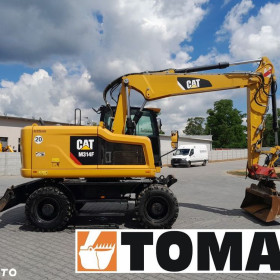
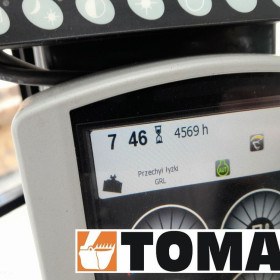
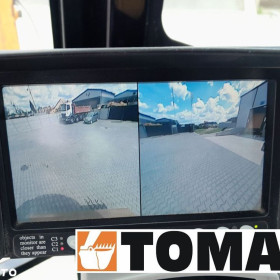
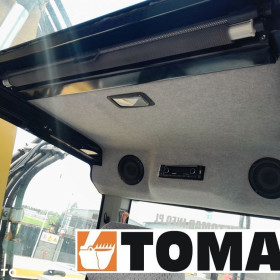
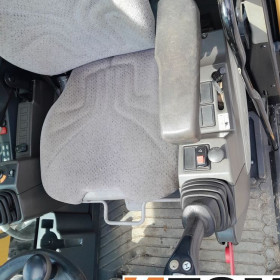
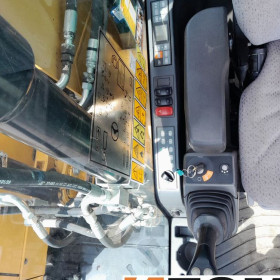
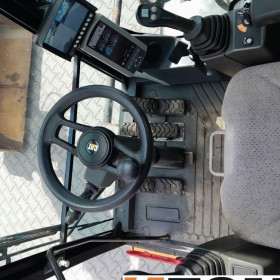
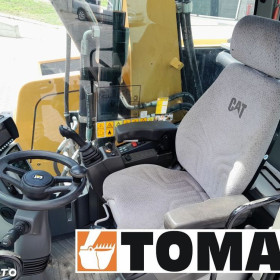
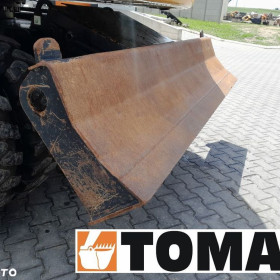
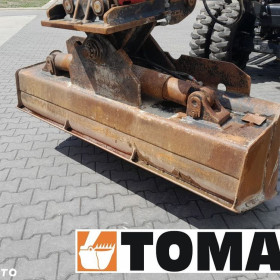
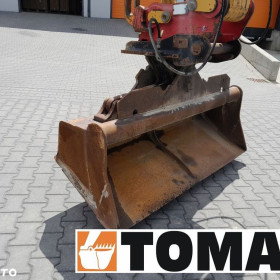
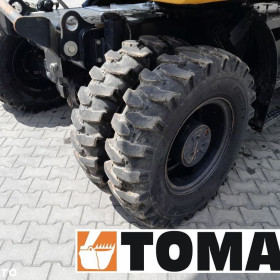
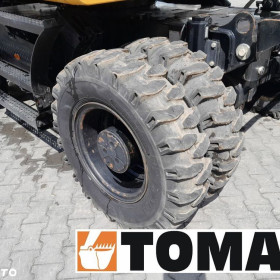
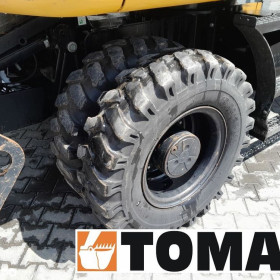
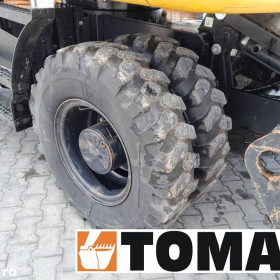
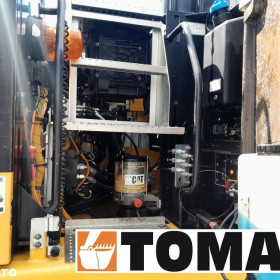
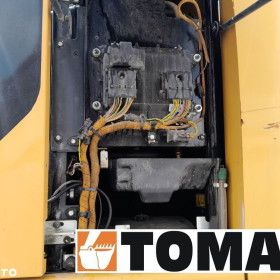
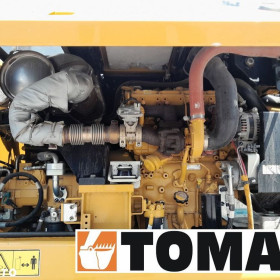
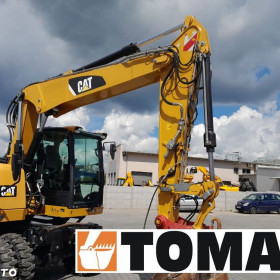
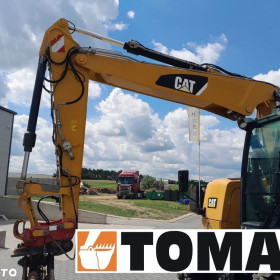
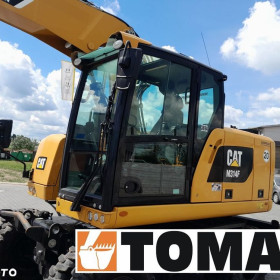
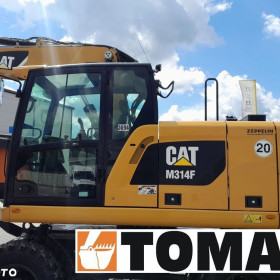
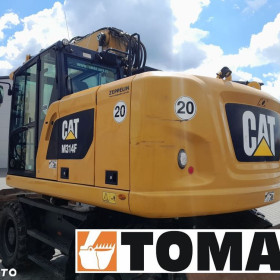
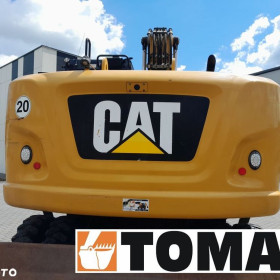
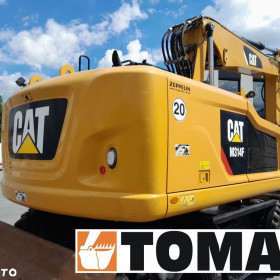
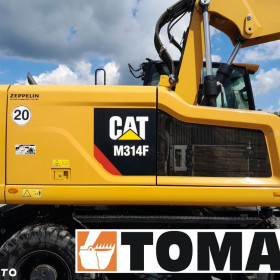
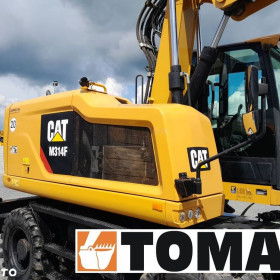
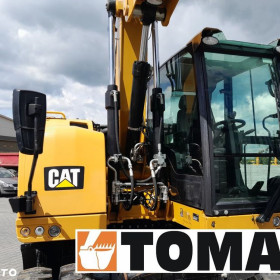
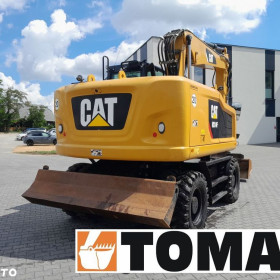
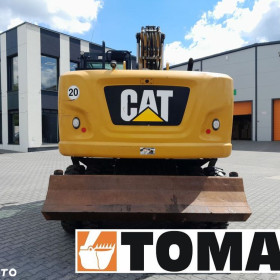
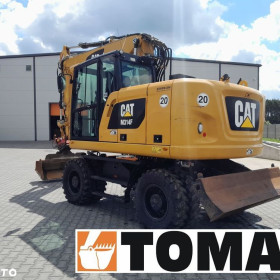
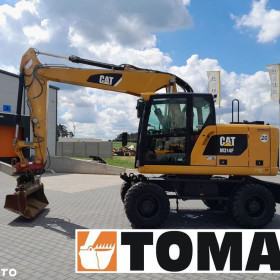
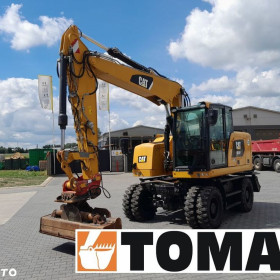
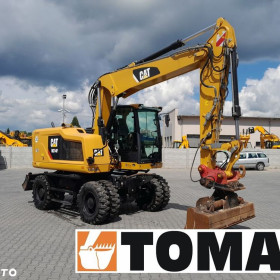
Caterpillar M314F
Added: 16.09.2026, 13:03
None of the offers in “Soil compactors” fit?
Review the available offers and, if none fits, describe your requirements. Verified companies may respond after confirmation and moderation.
2 short steps. Clicking the button does not publish anything.
Which roller suits the ground?
Start with material type, moisture and planned layers. Smooth drums are used for granular soils, among other applications, while padfoot drums suit cohesive soils; final selection must follow the works specification and machine documentation. Weight alone does not determine compaction performance.
- Drum: check type and width. If padfoot shells are offered, confirm compatibility, complete fastenings and whether they are included in the price.
- Configuration: compare operating weight and available vibration amplitude and frequency ranges. A depth quoted for other conditions is not a guaranteed result on your site.
- Travel and transport: establish dimensions, drive type and transport requirements with the offered equipment.
- Measurement: if a compaction indicator or pass-mapping system is listed, verify operation and completeness. Do not assume every roller has one.
Assessing a used soil compactor
Request the serial number, operating hours and service history. Ask about the drum, scrapers, isolators, tires and articulation joint. Establish previous drive and vibration-system repairs and any visible leaks. Arrange functional testing and play assessment by a competent person following the manual.
When selling, specify drum type, included equipment, repairs and known faults. If asphalt-surface compaction is the main task, also check road rollers rather than choosing on similar weight alone.
 Log in with Facebook
 Log in with Google


